
Writing a Clear Example Article That Connects With Readers
Writing can feel like walking through a thick fog. You know where you want to go, but the path is hidden behind walls of heavy words and tangled thoughts. When you build an example article, you create a beacon that cuts through that mist. Understanding this concept makes life easier because it gives you a concrete model to follow instead of guessing in the dark.
Good writing solves a puzzle for the reader. If you give them a clear map, they arrive at the destination without losing their way.
What Makes a Good Example Article
A strong example article relies on solid structure and friendly guidance. It takes a big abstract concept and shrinks it down until it fits right in the palm of your hand. When you strip away confusing filler, your core message shines through.
Clear Goals for Your Writing
Every piece needs one single destination. If you chase three different ideas at once, your reader ends up standing at a fork in the road with no idea which way to turn. Having a single focus keeps your thoughts anchored from start to finish.
Simple Language That Everyone Understands
Big vocabulary words often hide weak ideas. Real experts use plain words that anyone can grasp on the first try. You can review Digital.gov guidance on plain language to see how simple communication helps people understand complex rules quickly. Keep your sentences moving and let your verbs do the heavy lifting.
How to Build Your Own Example Article Step by Step
Building a piece of writing takes patience and a willingness to start messy. You don't need a fancy vocabulary or a journalism degree to put your thoughts on paper. You just need a steady process that guides you from a blank screen to a finished post.
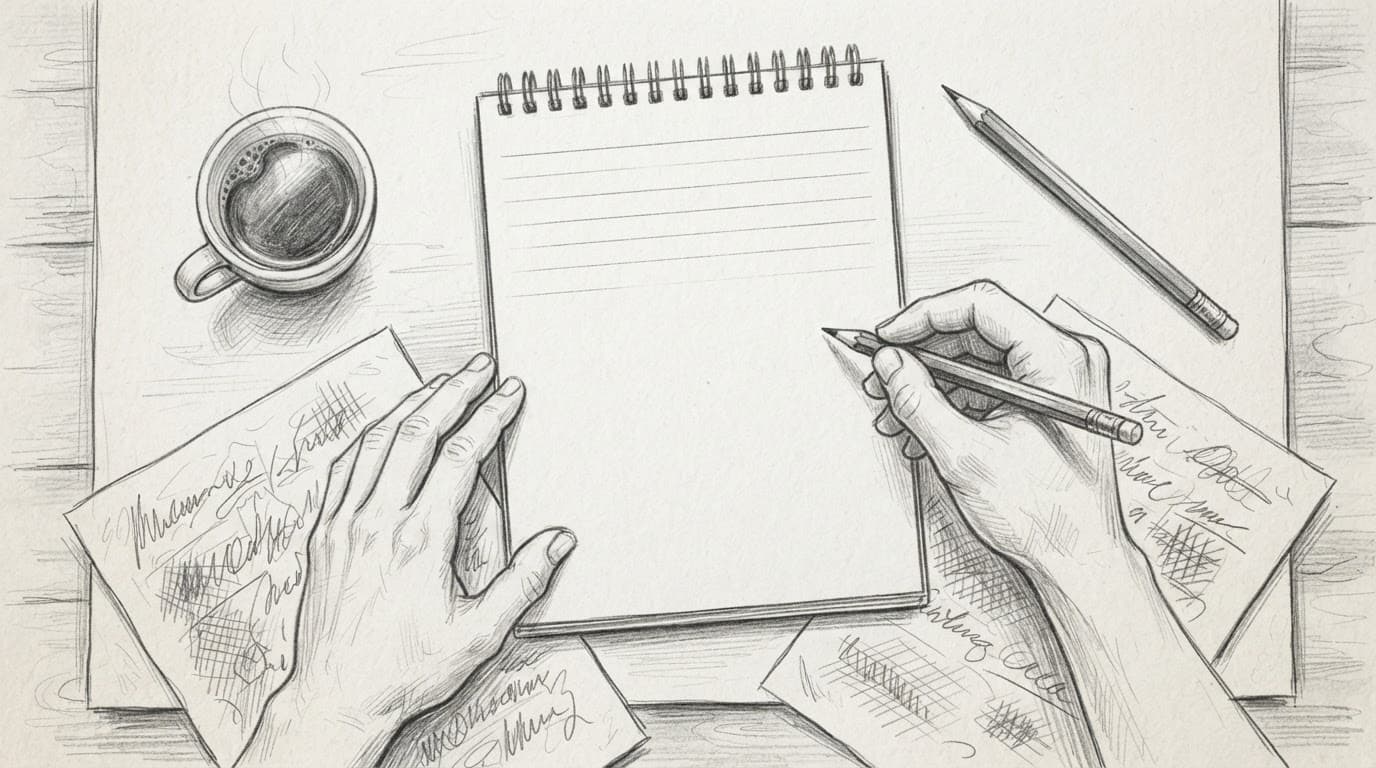 ### Brainstorming Your Main Idea
Start by picking a topic you know inside and out. If you care about the subject, your reader will care too. Write down three questions your audience asks about this topic. Your article should answer those questions before the reader even has to voice them.
Drafting the Rough Pieces
Turn off your inner critic during the first draft. Just let the words spill out onto the page without worrying about spelling or grammar. You can always polish the edges later once the clay is on the wheel. Getting the first sentence down is always the hardest part, so make it bold and direct.
Common Mistakes to Avoid Along the Way
Writers often trip over their own feet by trying to sound too formal. They use puffed-up phrasing because they think it sounds professional, but it usually just puts people to sleep. Speak to your reader like you are sitting across from them at a coffee shop.
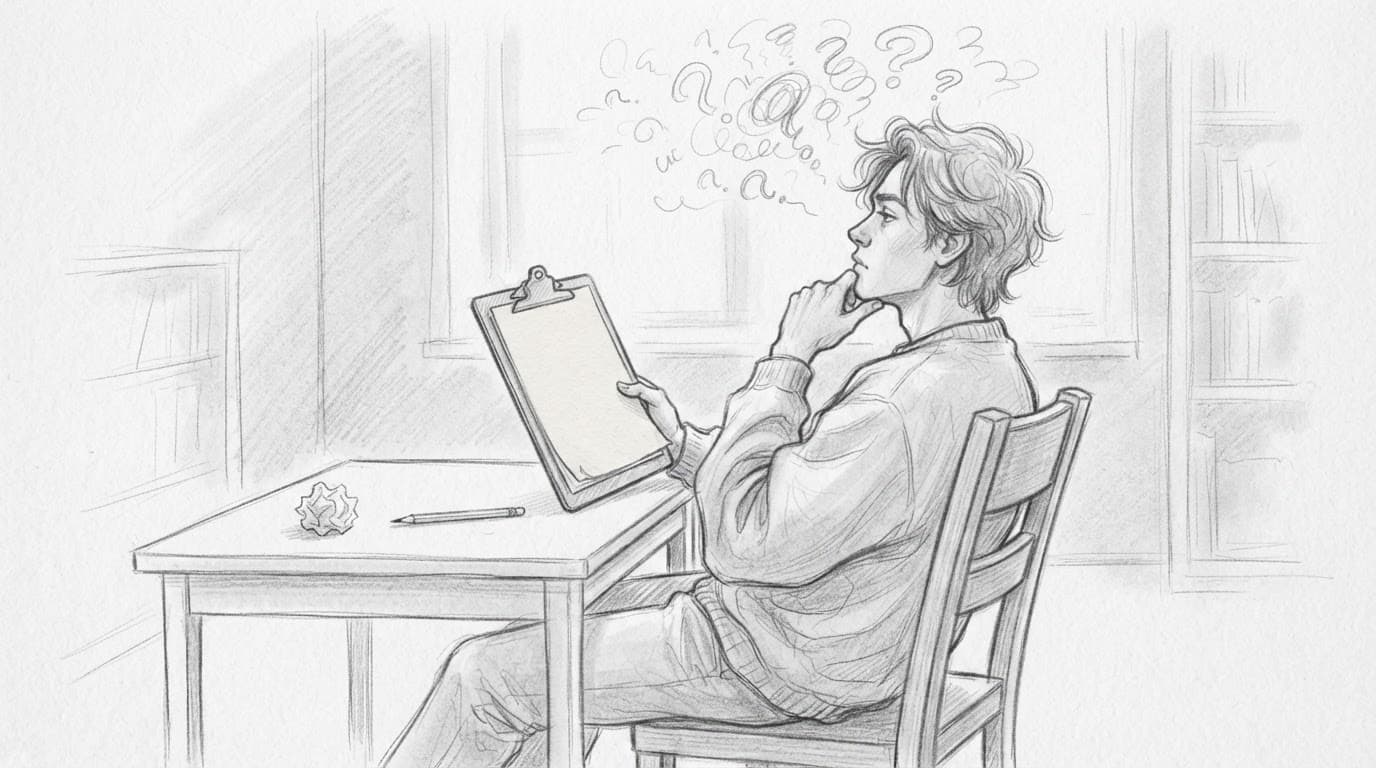 Another trap is hiding your main point halfway down the page. Put your most valuable takeaway near the front so readers know they are in the right place. Check out the Federal Plain Language Guidelines for more tips on keeping your sentences short and user-focused.
Final Thoughts
Writing does not have to feel like an uphill battle. When you focus on clear goals and simple words, your message reaches the reader without any friction. Grab a notebook today, pick one specific topic, and write your own example article to see how much easier communication becomes when you keep it plain.